Educational Training

Obstetrical Transitions of Care: Interdisciplinary Practices for Rural Providers

April 1, 2026 - June 30, 2027

Course Overview

Many women and newborns among Florida’s 23.6 million residents have limited access to direct medical and obstetrical care, especially those living in rural communities. As the number of hospitals with maternity units continues to decline, local emergency departments and EMS teams are increasingly the first point of contact for pregnant patients experiencing complications. This program was developed to meet that reality head-on, bringing expert faculty, high-fidelity simulation equipment, and hands-on clinical training directly to the nursing and EMS teams serving rural counties across Florida, at no cost.

Date

April 1, 2026 - June 30, 2027

Location

Rural Hospitals in Florida

Obstetrical Transitions of Care is a no-cost, statewide simulation training initiative that goes where the need is greatest. Developed by CAMLS in collaboration with the Florida Perinatal Quality Collaborative (FPQC) and the Florida Center for Emergency Medical Services (FL-CEMS), with support from the Florida Department of Health, this program sends expert faculty and high-fidelity simulation equipment directly to rural facilities, so nursing and EMS teams can train in the environments where they actually work. The initiative also incorporates Florida’s Telehealth Maternity Care Program, ensuring that providers are equipped not only to respond to obstetric emergencies, but to connect patients with ongoing prenatal and postpartum care available at no cost.

What the Program Includes

In three days, one team, and at ZERO cost to your facility, this program trains up to 40 nursing and EMS professionals in obstetric emergency response — and leaves behind the equipment and trained educators to keep that momentum going. Here is what those three days include.

OB Transitions of Care Course

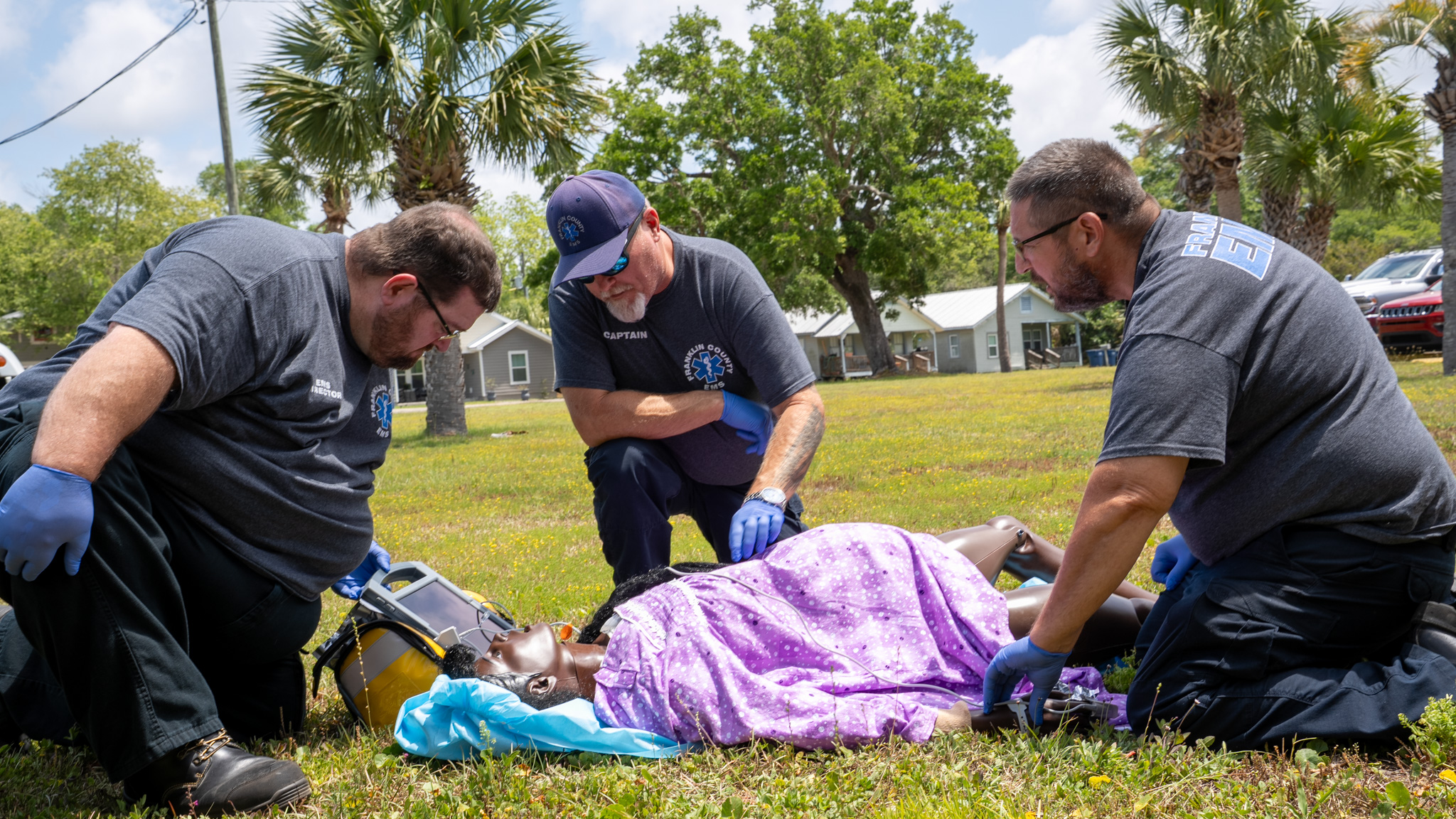
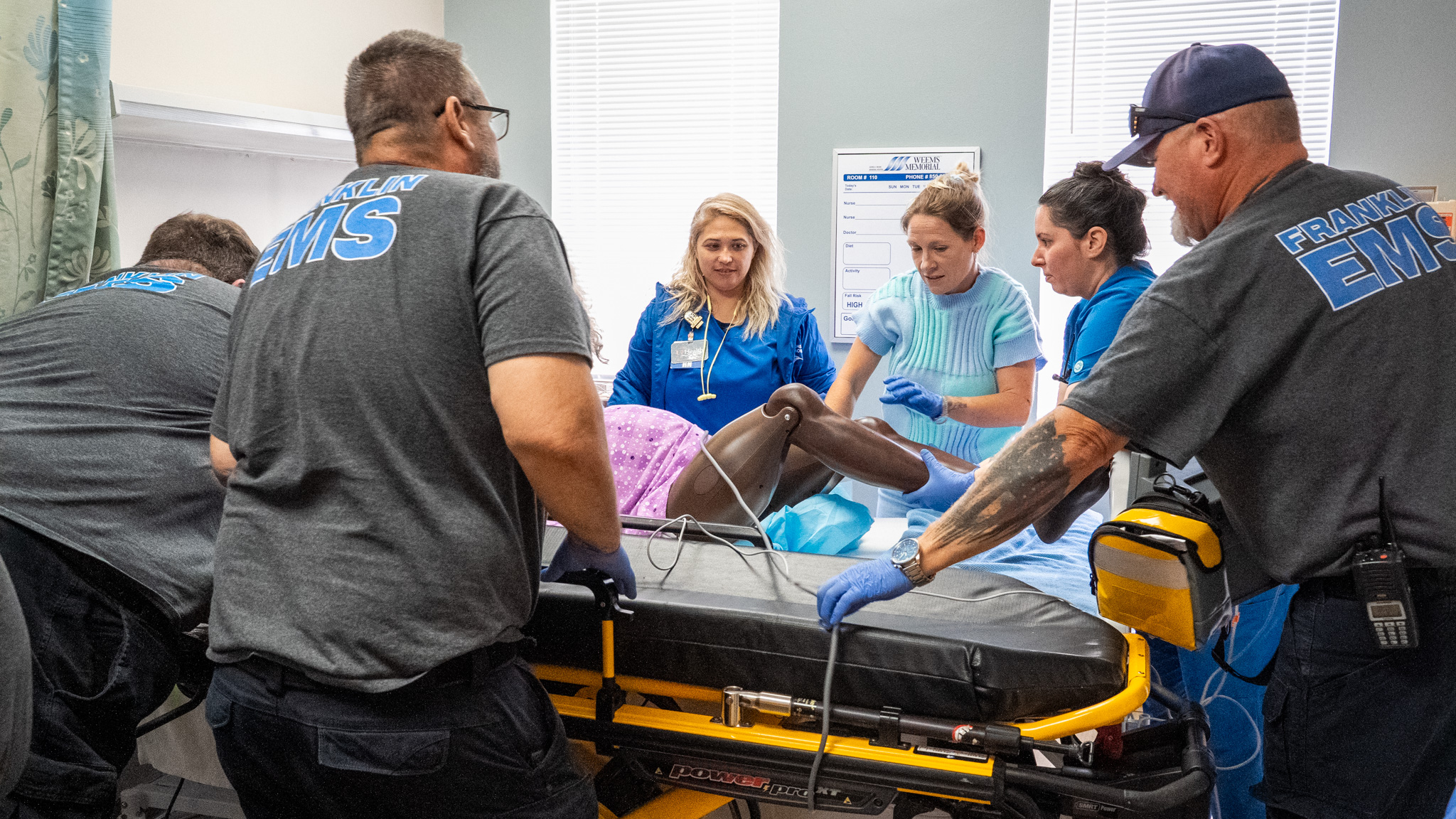
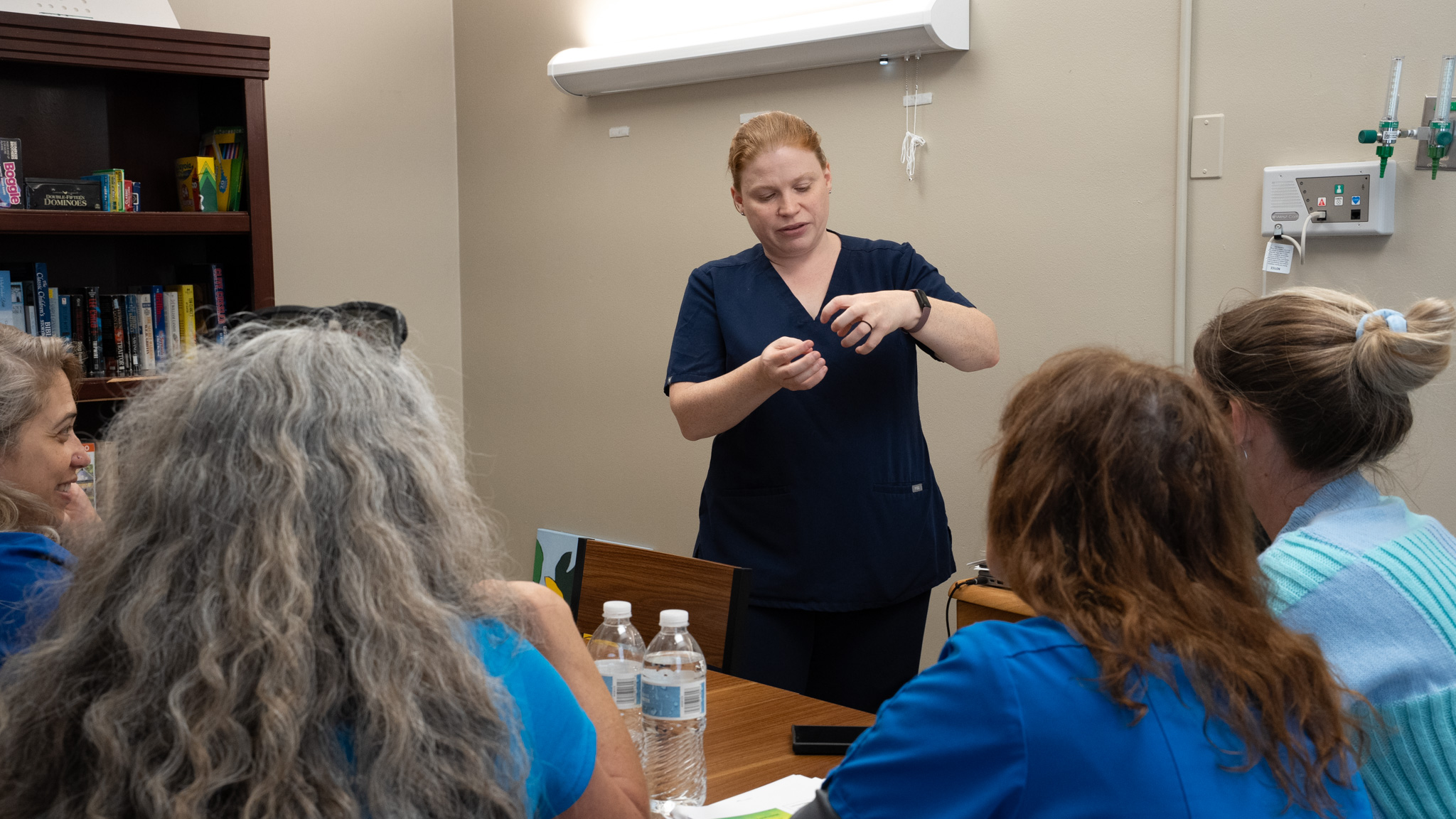
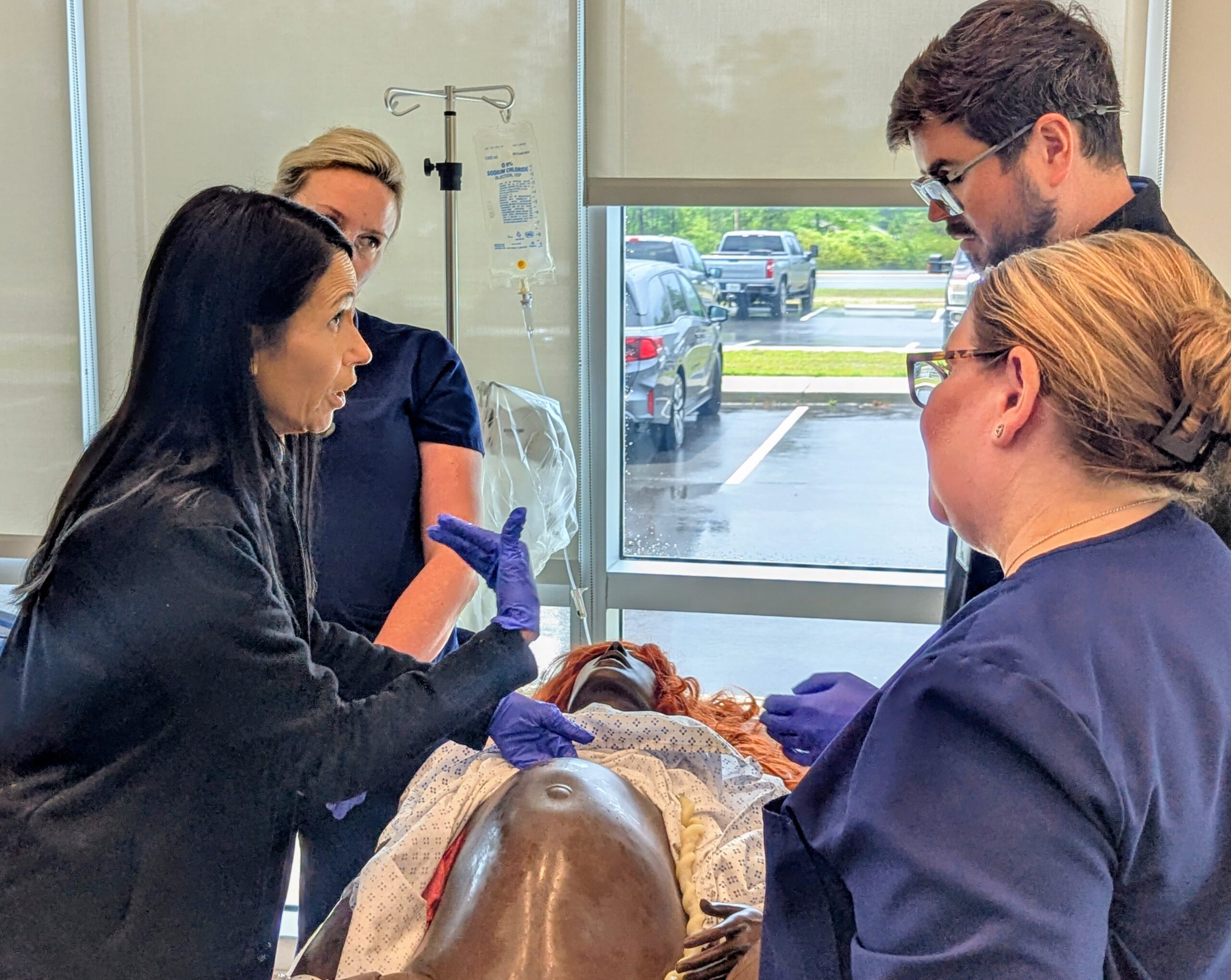
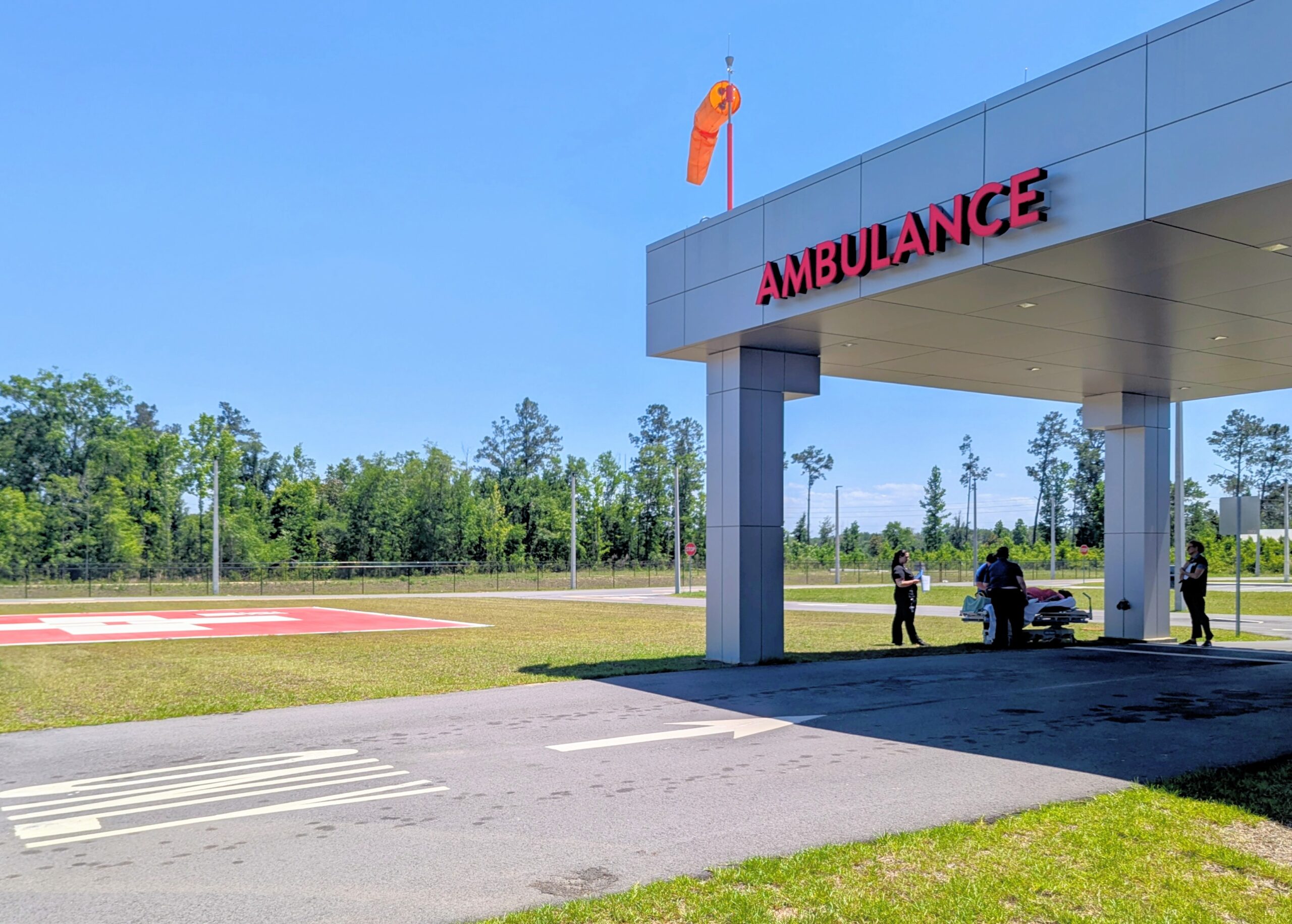
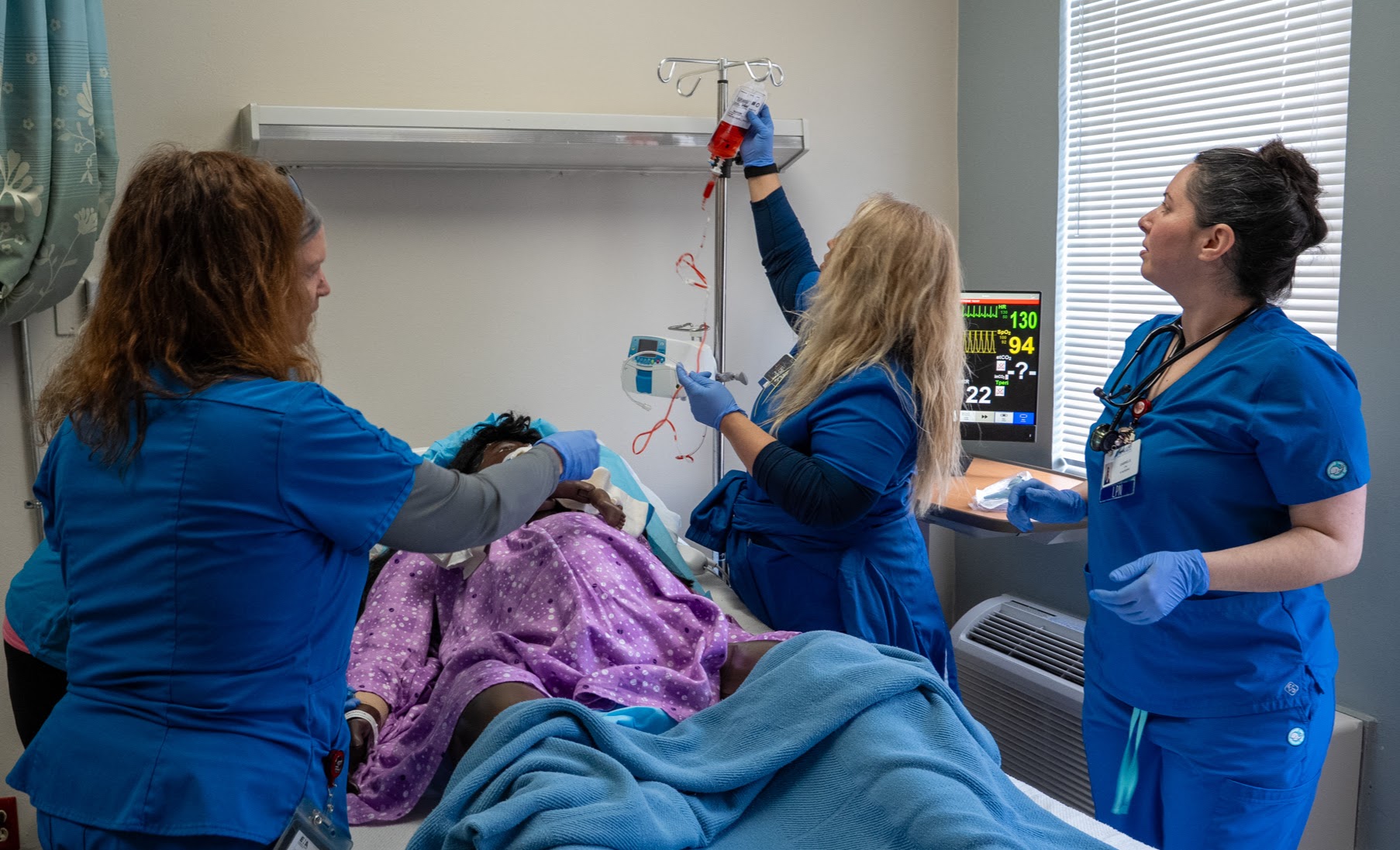
The OB Transitions of Care course brings nursing and EMS teams together in the same room, and into the same scenarios. Delivered on-site at your facility using high-fidelity manikins, this two-day interprofessional simulation experience is designed around the real-world obstetric emergencies your teams encounter: field deliveries managed by EMS, postpartum hemorrhage in the emergency department, and hypertensive crises far from a tertiary care center. Training in the actual environment where care is delivered strengthens team communication, sharpens clinical judgment, and builds the shared instincts that make a difference when seconds matter. The curriculum also includes a dedicated session on Florida’s Telehealth Maternity Care Program, equipping providers to identify patients who may benefit from telehealth services and connect them with prenatal and postpartum care available at no cost — extending the reach of every provider this training touches. Structured debriefing after each scenario reinforces learning and gives teams the language to improve together. All participants earn Continuing Education (CE) credits.

Healthcare Simulation Foundations Course

Held the day before the OB Transitions of Care course, Healthcare Simulation Foundations: Building Simulation Capacity in Rural Clinical Communities is a one-day standalone course for a select core group of hospital and EMS champions. No formal teaching background required. Participants leave with the skills and confidence to run their own simulation drills — so the impact of this program keeps going long after our team drives home.

OB Susie Task Trainer

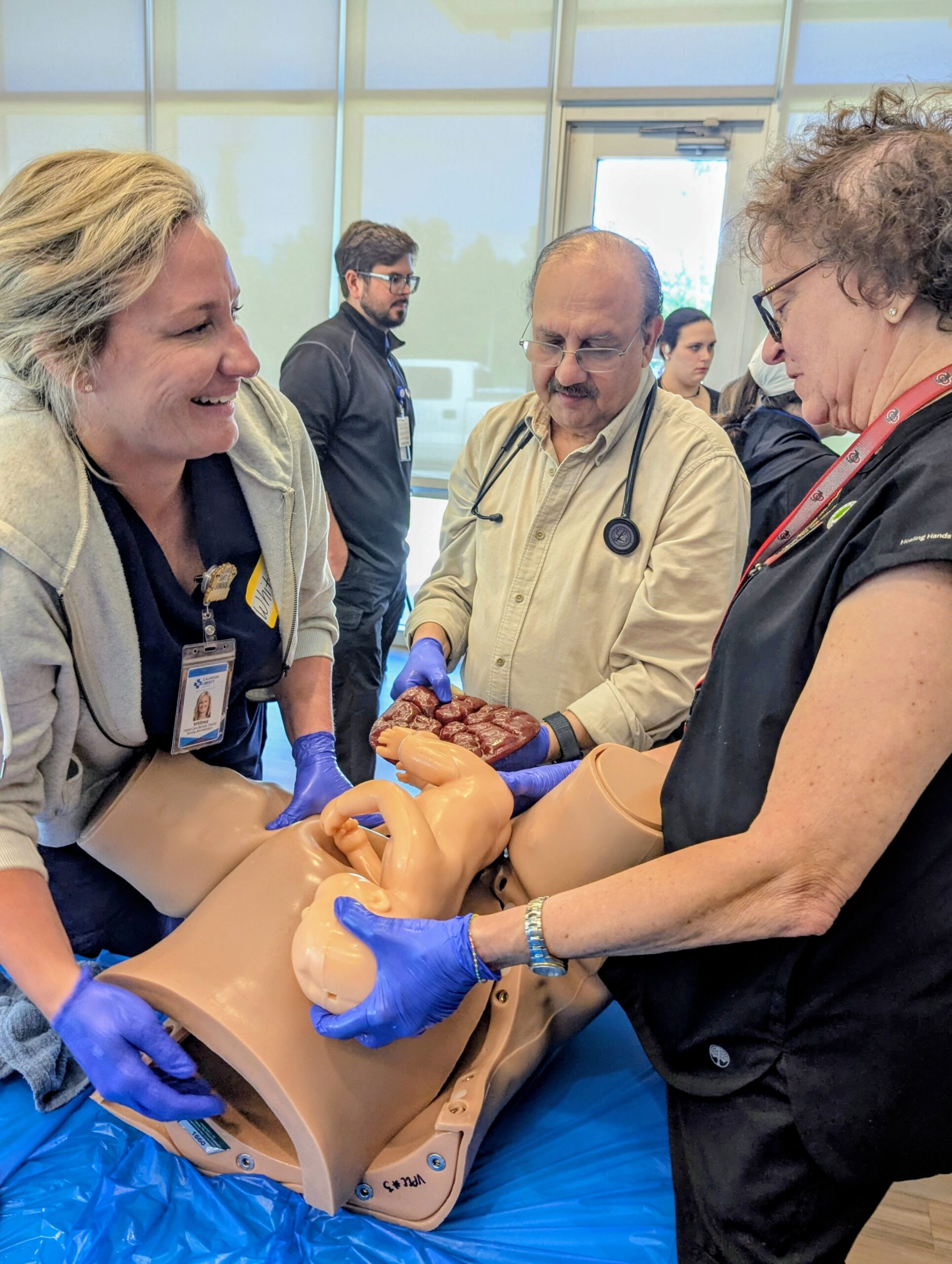
Every participating site keeps an OB Susie obstetrical task trainer after the program ends. This is not a one-time visit — it is the start of an ongoing training culture. We recommend scheduling drills at least every six months to keep skills sharp and teams ready.

Florida’s Telehealth Maternity Care Program

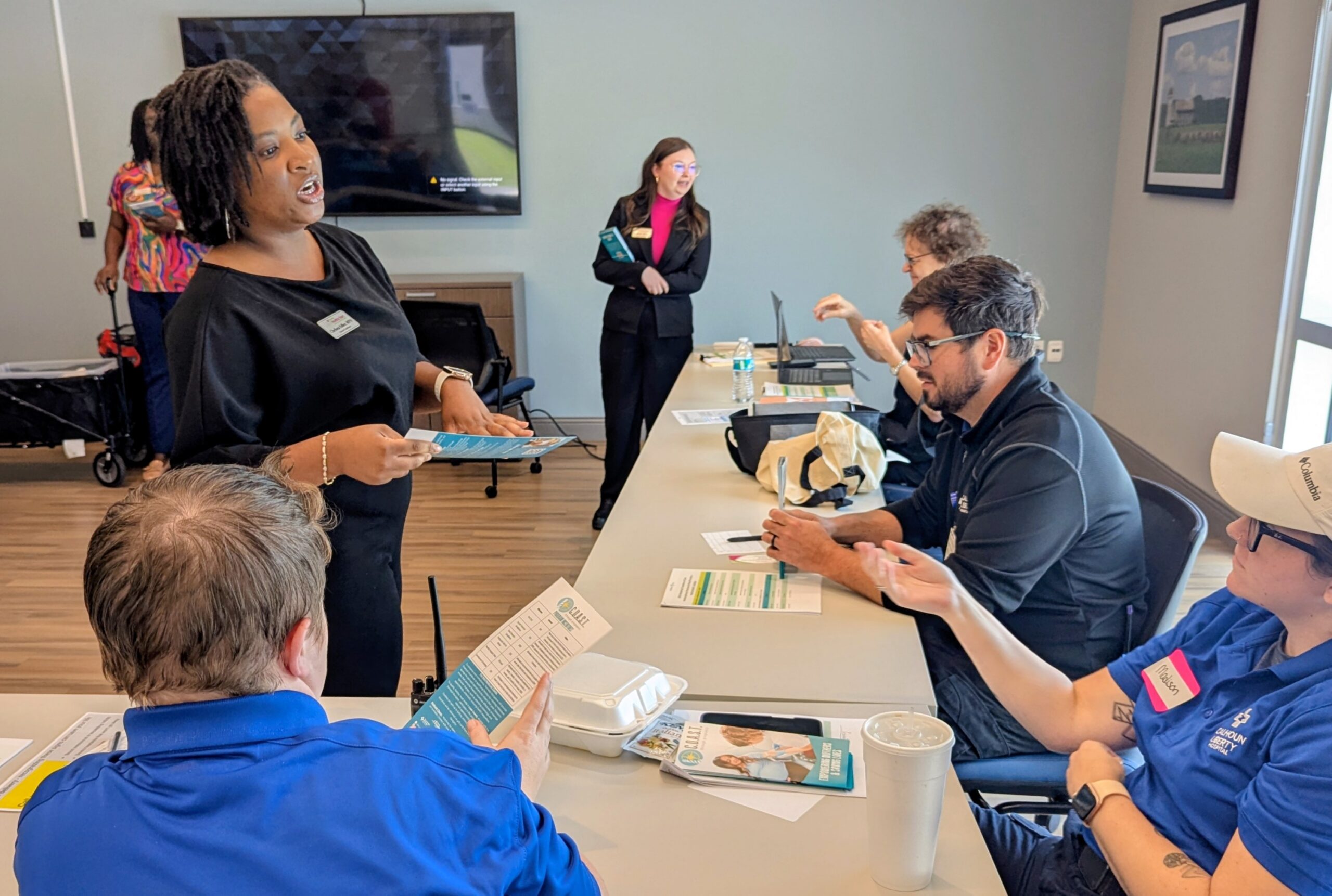
This training integrates Florida’s Telehealth Maternity Care Program directly into the curriculum. Participants learn to identify patients who may benefit from telehealth services and to connect them with referral pathways available in their own communities. The program offers prenatal and postpartum care at no cost to women throughout pregnancy and up to one year after birth, extending the reach of every provider this training touches.

Who Should Attend

This program is open to any rural Florida hospital that does not have a dedicated labor and delivery unit, as well as the EMS agencies serving those communities. If your team responds to obstetric emergencies without the backup of an on-site maternity unit, this training was designed for you.

This program is built for the people on the front lines:

  • Registered Nurses (RNs) and Licensed Practical Nurses (LPNs)
  • Emergency Medical Technicians (EMTs) and Paramedics
  • Emergency Department staff who may encounter unplanned deliveries

Interprofessional by design. When a mother arrives in crisis, there is no time to figure out who does what. This training builds those instincts before the emergency happens.

CLICK HERE TO REGISTER

Bring this Training to your Community

Site selection for 2027 is underway. Eligible sites include rural Florida hospitals without dedicated labor and delivery units — the communities where this training has the greatest impact and where the need is most acute. Rural hospitals and EMS teams in Florida counties without maternity facilities are encouraged to express their interest as soon as possible. There is no cost to participate.

Hospitals

Rural hospitals interested in bringing this program to their community can reach out to Lori Reeves, MPH, Executive Director, Florida Perinatal Quality Collaborative at lorireeves@usf.edu.

EMS Agencies

EMS agencies interested in participating can reach out to Penni Eggers, EdD, CHSE, Director of Education, Florida Center for Emergency Medical Services at eggersp@usf.edu.

Press and Media Inquiries

Please direct all press and media inquires to Cody Hawley, Senior Director, USF Health Communications & Marketing at crhawley@usf.edu.


Support This Program

This program started with a single generous donation. That investment has now trained hundreds of providers across Florida. Every dollar goes directly toward bringing life-saving simulation training to communities that need it most.

Invest in Rural Maternal Health via the USF Foundation

Collaborating Organizations

Florida Perinatal Quality Collaborative (FPQC)

The FPQC is the driving force behind perinatal quality improvement across Florida — and the organization that helped bring this program to life. They lead and coordinate the initiative, connecting rural communities with the statewide infrastructure that makes lasting change possible.

USF Health Center for Advanced Medical Learning & Simulation (CAMLS)

CAMLS serves as the lead training partner for this initiative, designing and delivering the full program — simulation scenarios, didactic curriculum, facilitated debriefings, and program evaluation — at each participating site. One of the world’s largest freestanding medical simulation facilities, CAMLS is a 501(c)(3) nonprofit and direct support organization of the University of South Florida, holding dual accreditation from the Society for Simulation in Healthcare (SSH) and the American College of Surgeons. Through its CAMLS Without Walls program, this expertise travels directly to rural and underserved communities across Florida.

Florida Center for Emergency Medical Services (FL-CEMS)

Florida’s newest EMS center, launched in 2024 at USF Morsani College of Medicine, FL-CEMS brings cutting-edge prehospital expertise to every aspect of this program — from curriculum development to putting the right EMS providers in the room.

With support from the Florida Department of Health.